A garment’s care does not end when it comes back from the dry cleaner. What happens after cleaning can also affect how the garment looks, feels and performs the next time you wear it.
This matters for everything from formal shirts and suits to sarees, occasion wear and delicate garments. A piece may be professionally cleaned, but if it is stored poorly, left with an unnoticed mark or taken out months later without inspection, the next use may not go as smoothly as expected.
Good garment care is therefore a complete process. It includes deciding when professional cleaning is needed, checking the garment after treatment, giving it the right finish and storing it properly between uses.
For people looking for premium dry cleaning in Somajiguda and Punjagutta, understanding these steps can help you make better decisions about the clothes you depend on.
What Happens to a Garment After It Has Been Cleaned?
Professional cleaning removes dirt, stains and other unwanted residues, but the garment still needs to be handled carefully afterward.
The condition of the garment should be considered before it goes back into your wardrobe. Look at the overall finish, check for any remaining visible marks and make sure the garment is ready to be stored or worn again.
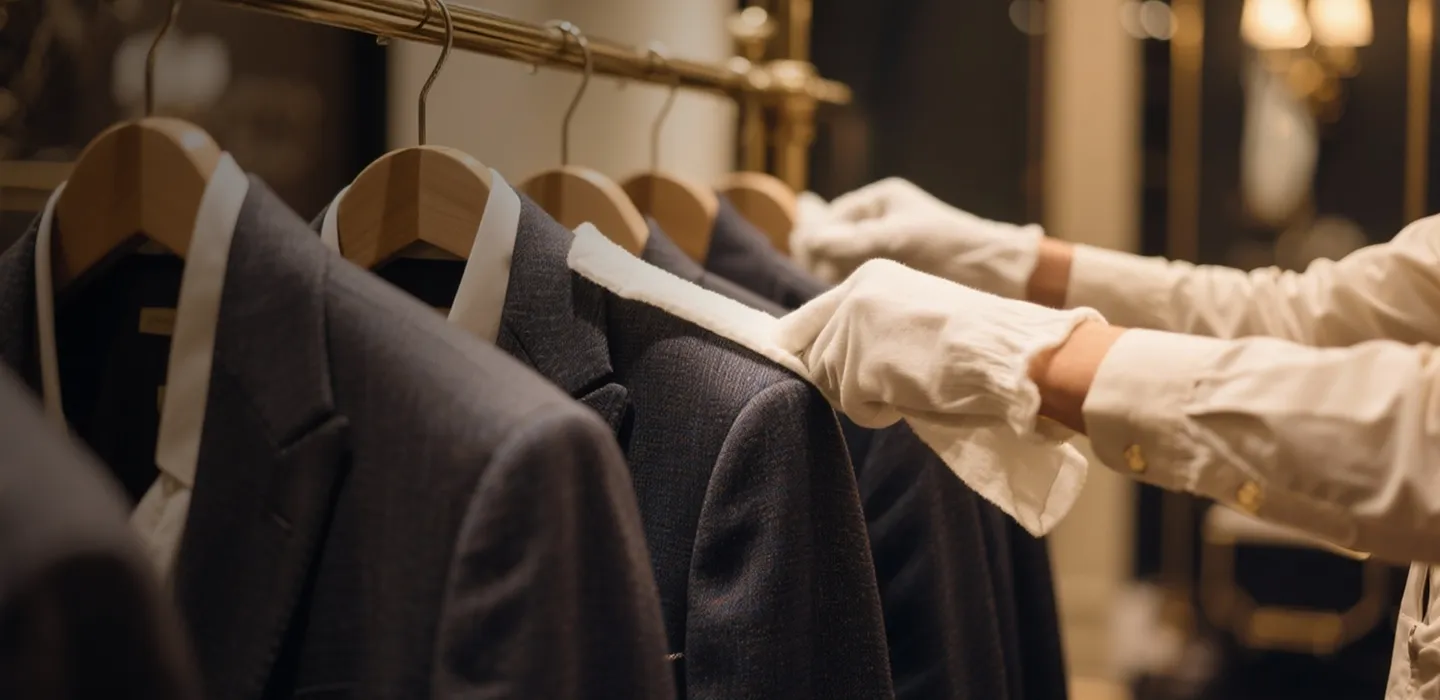
Finishing is also an important part of this stage. A suit, blazer or structured garment may need careful pressing so that its shape and appearance are restored. Delicate clothing may need a different approach because embellishments, embroidery or special fabrics can require extra attention.
The goal is not simply to make a garment clean. It is to return it in a condition that makes sense for its next use.
Do Not Put a Problem Back in the Wardrobe
It is easy to put a garment away as soon as it comes back from cleaning. But if you notice something unusual, it is better to address it before the garment disappears into the wardrobe.
Check for a visible stain or mark that still needs attention, an unusual odour, wrinkles or an uneven finish, loose buttons, hooks or other details, and damage that may have become more noticeable during handling.
This is especially useful for garments that will not be worn again for several weeks or months. Once stored, a small problem can easily be forgotten.
If a garment needs further professional attention, dealing with it before storage is usually more practical than discovering the issue just before an important event.
What Should You Check Before Putting Clothes Away?
A few minutes of attention can make your wardrobe easier to manage. Before storing a professionally cleaned garment, consider four simple things.
Look at the Overall Appearance
Check whether the garment has the finish you expect. Formal clothing should retain its intended shape, while delicate or embellished pieces should be checked for any visible changes.
Check for Any Remaining Marks
A stain should not simply be hidden inside the wardrobe. If you notice a mark, tell the cleaner rather than trying several household products yourself. This is particularly important with delicate fabrics. An unsuitable stain treatment can sometimes create a bigger problem than the original mark.
Check the Small Details
Buttons, hooks, zippers, embroidery and other attached elements can affect how a garment should be handled. A quick check can help you spot an issue before the next occasion, particularly when the garment is something you may not wear again for several months.
Think About Where It Will Stay
The wardrobe itself matters. Clothes should be kept away from excessive moisture, direct sunlight, dust and unnecessary pressure from overcrowding. A clean garment deserves a suitable place to remain clean.
Rarely Worn Clothes Need a Different Kind of Attention
Not every garment in your wardrobe follows the same routine. Some clothes are worn every week. Others may come out only for weddings, festivals, celebrations, important meetings or special occasions. These garments can remain untouched for long periods, which creates a different care challenge.
A saree with detailed work, an occasion-wear outfit or a formal suit may look perfectly fine when it is put away. Months later, however, you may discover a mark, a crease or an odour that was not obvious earlier.
Occasion Wear Can Sit Unused for Months
Special-occasion garments often spend much more time in storage than they do being worn. Before putting them away, make sure they are clean and properly finished. Avoid leaving a garment with food, makeup, perspiration or other marks on it for long periods.
Check the Garment Before Its Next Important Use
Do not wait until the day of an event to discover that your saree, suit or occasion outfit needs attention. Take it out ahead of time and inspect it under good lighting. Look at the front, back, sleeves, collars, hems and other areas where marks may be less obvious. This gives you time to arrange professional cleaning, stain treatment or finishing if it is needed.
Your Wardrobe Can Change How a Garment Looks Over Time
Storage is often treated as an afterthought, but the environment around a garment can influence its condition.
A crowded wardrobe can press garments against each other. Poor ventilation can create an unsuitable environment for clothing. Direct sunlight can affect some fabrics and colours, while repeated folding can create stubborn creases.
Overcrowding Can Put Pressure on Clothes
When too many garments are packed into one space, they have less room to hang or retain their intended shape. Structured clothing such as suits and blazers can benefit from enough space to hang properly. Delicate pieces should also be stored in a way that avoids unnecessary pressure or snagging.
Long-Term Folds Can Leave Lasting Creases
Some garments are naturally stored folded, but leaving a garment in exactly the same fold for a long period can create strong creases. For clothing that is stored for extended periods, check it from time to time and follow the garment’s care instructions. Avoid placing heavy items on delicate fabrics or heavily embellished pieces.
The aim is simple: store clothes in a way that protects the work already done during cleaning and finishing.
A Garment That Has Been Stored for Months Should Be Checked Again
A garment that has been sitting unused deserves another look before you wear it. Take it out of storage early enough to deal with any problem you find. Check for visible marks, changes in appearance, odour, creasing or anything else that was not present when it was stored.
Look for Marks, Odour and Changes in Shape
Look closely at collars, cuffs, underarms, hems and other areas that commonly collect marks during wear. For occasion wear, also inspect embroidery, decorative details and areas around embellishments. If something seems different, do not assume that pressing it or applying a household cleaning product will solve the problem.
Do Not Wear It Straight From Long-Term Storage Without Checking
A garment can look fine while hanging in the wardrobe and still need attention once it is taken out. Give it enough time for a proper inspection before an important event. If professional cleaning or finishing is required, arrange it before the day you plan to wear it. This simple habit can prevent a last-minute garment problem.
Good Finishing Makes a Difference Before the Garment Goes Away
Cleaning and finishing serve different purposes. Cleaning addresses unwanted dirt, stains and residues. Finishing helps restore the garment’s presentation, including its shape and overall appearance.
For formal clothing, the difference can be particularly noticeable. A freshly cleaned blazer or suit may still not look ready if it has been left heavily creased or has lost its proper shape.
Professional pressing and finishing can therefore be an important part of complete garment care. It also makes sense to consider the garment’s next use. A piece being stored for an upcoming occasion should be returned to the wardrobe in a condition that makes it easier to prepare later.
When a Garment Should Be Professionally Cleaned Again
A garment does not automatically need professional cleaning every time it is taken out of storage. The decision should depend on its condition and how it was used.
Professional cleaning may be appropriate when the garment has developed a new stain, has noticeable odour after use or storage, has been worn several times and needs proper cleaning, was stored after use without being cleaned, home treatment could put the fabric or finish at risk, or it is a delicate, structured or valuable garment that needs specialist handling.
This is why a simple calendar-based cleaning routine does not always make sense. The garment’s condition should guide the decision.
For garments that need professional dry cleaning in Somajiguda or Punjagutta, choosing a cleaner that assesses the garment before treatment can be especially useful.
Some Garments Are Better Left to Professional Care
Home care can work well for many everyday clothing situations, but some garments leave very little room for experimentation. A heavily embellished outfit, delicate saree, tailored suit or designer garment may contain materials and construction details that require more careful handling.
Delicate Details Need More Than Basic Home Care
Embroidery, zari, sequins, beads, linings and other decorative elements can change how a garment should be treated. The cleaning method needs to consider the fabric as well as the details attached to it. Aggressive rubbing, unsuitable products or excessive heat can create problems that are harder to correct later.
Difficult Stains Should Not Become Experiments
Trying one product after another can make stain treatment more complicated. If you are unsure what caused a mark, avoid aggressive rubbing and unnecessary home chemicals. Tell the professional cleaner what happened and, where possible, what was used on the garment previously.
How Pristino Approaches Care Beyond Basic Cleaning
Rather than treating every piece the same way, Pristino’s process starts with the garment in front of it.
Each garment is individually assessed before treatment, considering fabric, embellishments, existing marks and condition; the cleaning process uses PERC-free, fabric-safe solvents, supported by precision machinery and specialist handling.
Finishing is also part of the process — garments are described as professionally pressed and finished according to their requirements, helping them return to the wardrobe in a presentable condition.
For high-value pieces, garment information and images can also be documented as part of Pristino’s tracked handling process.
Doorstep Dry Cleaning in Somajiguda and Punjagutta
Pristino provides doorstep pickup and delivery across its Hyderabad service areas, including Somajiguda and Punjagutta.
This allows you to arrange professional garment care without making an additional trip to a store. It can be useful when you have several garments to send together or when formal and occasion wear needs professional attention.
Pristino also offers express options for garments that need a faster turnaround, subject to the service and garment requirements.
Whether you are searching for premium dry cleaners in Somajiguda or premium dry cleaners in Punjagutta, doorstep service can make arranging professional garment cleaning more convenient.
Premium Dry Cleaning in Somajiguda and Punjagutta With Pristino
From a garment’s first inspection to cleaning, finishing and preparation for its next use, professional garment care involves more than removing visible dirt.
Pristino provides premium dry cleaning in Somajiguda and Punjagutta, with specialist garment assessment, PERC-free and fabric-safe cleaning, precision machinery, professional finishing and doorstep pickup and delivery, within its wider premium dry cleaners in Hyderabad network.
Whether it is a suit you wear regularly, a saree kept for special occasions or a garment that has been sitting in your wardrobe for months, the right care can help you keep it in better condition for when you need it.
The best garment-care routine does not end when the cleaning is finished. It continues until the garment is ready for its next use.