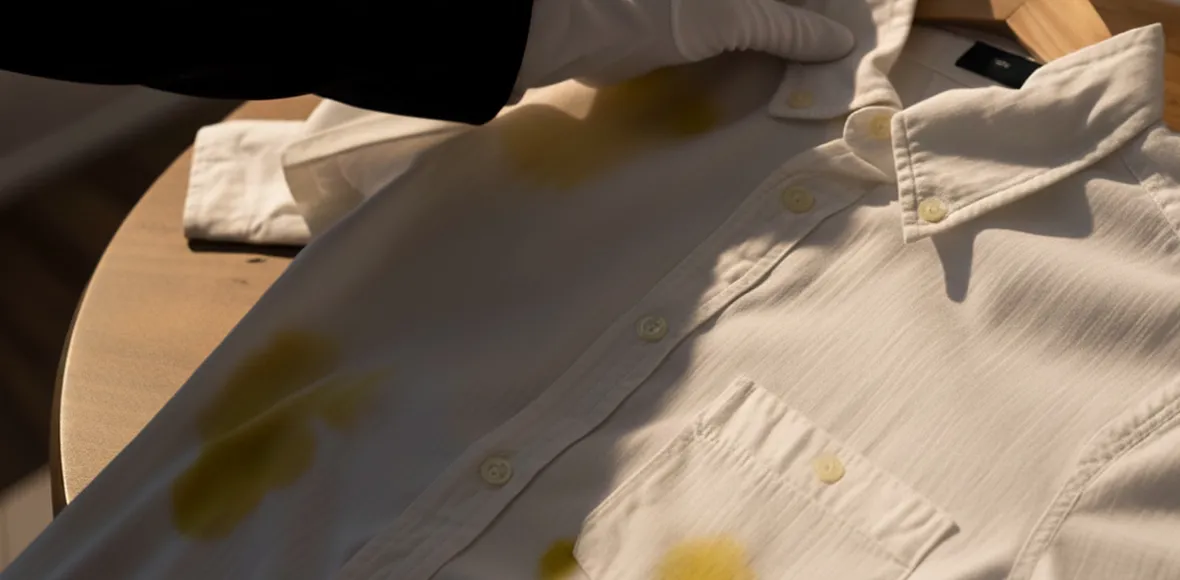
Ink stains on clothes can feel frustrating.
A pen may leak inside a shirt pocket. A child may get ink on a school uniform. A student may mark jeans, T-shirts, or favourite clothes. A small pen line may appear on a white shirt, saree blouse, jacket, or premium garment.
Most people try to clean it quickly. They rub the stain, wash the garment, apply detergent, or try a home remedy.
But ink stains need careful handling. Ink is not like dust, sweat, or food. Pen ink is usually a dye or pigment stain mixed with solvents, oils, resins, or gels. This makes it more unpredictable. If treated wrongly, the ink can spread and create a bigger blue, black, or purple mark.
That is why ink stain removal from clothes should start with care. The goal is not only to remove the stain. The goal is to stop the ink from spreading while protecting the fabric.
In this guide, you will learn how different pen ink stains behave, why dried ink is harder, what to avoid at home, and when expert dry cleaning or premium dry cleaning care may be safer.
Why Ink Stains Are Harder Than Normal Clothing Stains
Ink stains are different from normal clothing stains. Mud, sweat, and dust usually sit on the fabric surface first. Ink can move into the fabric faster. It can spread between fibres and leave a strong colour mark. This is why pen marks often look small at first, but become larger after rubbing or washing.
Ink Is a Dye or Pigment-Based Stain
Most pen inks are made to stay visible on paper. That is the problem when ink touches fabric. Ink may contain:
- Dyes
- Pigments
- Solvents
- Oils
- Resins
- Gel-based colour materials
These ingredients help ink stick and stay bright. But on clothes, they can make the stain harder to remove. A normal wash may clean dirt or sweat. But ink often needs special care before washing.
Ink Can Spread When Treated Wrongly
One of the biggest risks with ink is spreading. When you rub the stain, the ink can move outward. This can create a larger stain or a faded ring around the mark. This is often called an ink halo. This can happen on:
- White shirts
- School uniforms
- Office shirts
- Cotton clothes
- Sarees
- Light-coloured garments
- Premium fabrics
So the first goal is not to scrub. The first goal is to control the stain.
Normal Washing May Not Remove Ink
Many people put ink-stained clothes directly into the washing machine. Sometimes the stain becomes lighter. But often it remains. In some cases, it spreads or becomes more difficult after washing. This is more common when the ink has dried or when the garment is washed with heat.
Ink stain removal from clothes should happen before normal washing whenever possible.

Different Types of Pen Ink Stains on Your Favourite Clothes
Not all pen ink stains are the same. The type of ink changes the stain risk. A ballpoint pen, gel pen, fountain pen, and marker can all behave differently on fabric. This is important for pen ink stain removal from clothes.
Ballpoint Pen Ink Stains
Ballpoint ink is very common. It is often seen on office shirts, school uniforms, trouser pockets, bags, and daily wear. Ballpoint ink can be oily or sticky, so it may hold on to the fabric. A small ballpoint line may look simple. But if it is rubbed, it can spread. Common places for ballpoint ink stains:
- Shirt pockets
- Sleeves
- Cuffs
- Uniform shirts
- Trouser pockets
- Bags touching clothes
Fresh ballpoint ink is usually easier than dried ballpoint ink. But it still needs gentle handling.
Gel Pen Ink Stains
Gel pen ink can be bright and thick. It may leave a strong blue, black, red, or coloured mark. On white clothes, gel ink can look very visible. Gel ink may also spread if too much water is used quickly or if the stain is rubbed. This type of stain is common among students, office workers, and people who carry pens in pockets or bags.
Fountain Pen and Rollerball Ink Stains
Fountain pen and rollerball ink may be more watery than ballpoint ink. This means the stain may spread faster if handled roughly. These stains are often seen on:
- Office shirts
- Formal wear
- White clothes
- Paper-touch areas of sleeves
- Premium shirts
Some fountain pen inks may be easier when fresh. But if they dry, they can leave a strong colour mark.
Marker and Permanent Ink Stains
Marker stains are usually more difficult. Permanent marker stains are designed to last. So they may not fully come out in many cases. This is important to explain honestly. A professional can inspect and treat the stain, but no one should promise complete removal for every permanent ink stain.
Which Ink Is Easier or Harder?
| Ink Type | Common Garment | Difficulty |
|---|---|---|
| Fresh fountain pen ink | Shirts, uniforms | Medium |
| Fresh ballpoint ink | Pockets, sleeves | Medium |
| Gel pen ink | Student clothes, white shirts | Medium to high |
| Dried ballpoint ink | Shirts, trousers | High |
| Marker ink | Kidswear, uniforms | High |
| Permanent marker | Any fabric | Very high |
Fresh Ink Stain vs Dried Ink Stain: What Changes?
The age of the ink stain matters. A fresh ink stain is easier to control. A dried ink stain needs more care. This is one of the most important points in dried ink stain removal from clothes.
Fresh Ink Stains Are Easier to Control
Fresh ink has not fully settled into the fabric. If handled carefully, the stain may be reduced before it spreads deeper. The first step should be gentle. Do not rub. Do not use heat. Do not put it directly into the machine. A fresh ink stain should be blotted carefully and kept separate from the rest of the laundry.
Dried Ink Stains Need More Care
Dried ink is more stubborn. It can sit deeper inside the fibres. It may not come out with one wash. It may also leave a blue, black, grey, or purple shadow. Dried ink stains are common when:
- A pen leaks inside a pocket
- The stain is noticed after school or work
- Clothes stay in the laundry basket
- The garment is washed without checking the stain
- The stain is dried in sunlight or heat
Dried ink may still be treatable, but the result depends on fabric type, ink type, and previous treatment.
Washed or Heat-Dried Ink Stains Are More Difficult
Ink becomes more difficult when the garment has already been washed, dried, or ironed. Heat can make many stains more stubborn. With ink, washing and drying can push the stain deeper or make it harder to treat later. This is why checking the garment before washing is important.
What to Do Immediately When Ink Gets on Clothes
When ink gets on clothes, the first few minutes matter. But fast action should not mean careless action. The aim is to stop the ink from spreading.
Stop the Ink from Spreading First
Do not rub the stain. Rubbing can spread the ink and make the mark bigger. It can also push the ink deeper into the fabric. Instead, gently blot the stain with a clean white cloth or tissue.
Place a Clean Cloth Behind the Stain
If possible, place a clean white cloth or absorbent paper behind the stained area. This helps stop the ink from transferring to the other side of the garment. This is useful for shirts, uniforms, T-shirts, and light cotton clothes.
Check the Fabric and Care Label
Before applying anything, check the garment. Ask yourself:
- Is it washable?
- Is it white or coloured?
- Is it silk, wool, satin, or delicate?
- Is it a saree, jacket, blazer, or premium garment?
- Does the care label say dry clean only?
If the garment is delicate or costly, do not experiment at home — book premium dry cleaning instead.
Avoid Heat Before Treatment
Do not iron the garment. Do not use hot water. Do not put it in a dryer. Heat can make the stain harder to remove, especially if the ink has already entered the fibres.

Ink Stain Mistakes You Should Avoid
Ink stains often become worse because people try to clean them in a hurry. A mother may notice ink on a school uniform. A student may find pen marks on jeans. A resident may see ink inside a shirt pocket. A garment caretaker may try to clean a saree or jacket quickly. The intention is right. But the wrong step can make the stain worse.
Rubbing the Stain Quickly
This is the most common mistake. People rub because they want to remove the mark fast. But ink can spread outward and create a bigger patch. On white clothes, this can leave a visible blue, black, or grey halo.
Washing the Garment Directly
Normal washing may not remove ink. If the stain is not treated first, washing can spread it or make it harder to treat later. This is common with school uniforms, office shirts, hostel clothes, and jeans.
Using Random Home Remedies
Some home remedies may work on one fabric but damage another. A method that seems safe for cotton may damage silk, wool, satin, embroidery, or premium garments. Avoid experimenting on:
- Silk sarees
- Designer blouses
- Premium jackets
- Blazers
- Wool garments
- Satin dresses
- Dry-clean-only clothes
Using Heat Too Early
Heat can make stain removal harder. Avoid ironing, hot washing, and heat drying before the ink stain is treated. This is especially important for dried ink stains and light-coloured garments.
Ink Stain Removal from Different Types of Clothes
Ink stains do not behave the same on every garment. The fabric, colour, weave, and garment value all matter. A stain on a cotton shirt is not the same as a stain on a silk saree or premium blazer. That is why ink stain removal from clothes should always depend on the garment type.
Ink Stain Removal from White Clothes
White clothes show ink stains very clearly. A small blue or black pen mark can look very strong on a white shirt, white uniform, white kurta, or white pillow cover. The biggest risk is spreading the stain. If the ink spreads, the white fabric may get a larger grey or blue halo. Harsh chemicals may also damage the cloth or create dull patches. White clothes need slow and careful handling.
Ink Stain on Office Shirts and Formal Wear
Office shirts often get ink stains in the pocket area. This happens when a pen leaks, a cap is loose, or a pen touches the fabric while writing. Formal wear should not be scrubbed roughly. It may lose finish, shape, or smoothness. If the shirt is white, light blue, or premium cotton, the stain should be checked before washing.
Ink Stain on School Uniforms and Student Clothes
Ink stains are very common on school uniforms. Students carry pens every day. Ink may touch sleeves, pockets, collars, trousers, bags, or skirts. For fresh ink, quick gentle care may help. But if the uniform is washed directly, the stain may remain. White school shirts need extra care because ink marks are very visible.
Ink Stain on Jeans and Casual Wear
Jeans can hide stains better than white clothes, but ink can still settle into the fibres. Blue or black ink may blend with denim at first. But it can still leave a dark patch. Avoid rubbing jeans harshly. It can fade the fabric and make the area look worn.
Ink Stain on Sarees and Ethnic Wear
Sarees need special care. A small ink mark on a silk saree, saree blouse, lehenga, or embroidered ethnic wear can become risky. Consider our saree dry cleaning service or lehenga dry cleaning service for these garments. The problem is not only the ink. The fabric may also react badly to rubbing, water, or strong stain removers. Possible risks include:
- Colour bleeding
- Water marks
- Shine loss
- Border damage
- Embroidery damage
- Fabric weakness
Do not experiment on silk sarees or costly ethnic wear.
Ink Stain on Jackets, Blazers and Premium Garments
Jackets and blazers have structure. They may include lining, padding, buttons, labels, and special stitching. If soaked or washed wrongly, they can lose shape. Premium garments need fabric-safe care. This includes:
- Blazers & jackets
- Designer wear
- Formal suits
- Premium shirts
- Special occasion garments
- Dry-clean-only clothes
For these garments, stain removal for premium garments should be handled with care, not trial and error.

When Home Treatment Is Not Enough for Ink Stains? What Should You Do Immediately?
Home care may help for small fresh stains on washable clothes. But some ink stains are too risky for home experiments.
When the Ink Stain Is Dried or Already Washed
Dried ink is harder than fresh ink. If the garment has already been washed or dried, the stain may need more careful treatment. This is where dried ink stain removal from clothes becomes more difficult. The ink may sit deeper in the fabric and may not respond to normal washing.
When the Garment Is White, Costly, or Delicate
Home treatment becomes risky when the stain is on:
- White shirts
- School uniforms
- Silk sarees
- Saree blouses
- Blazers
- Jackets
- Designer wear
- Premium garments
- Dry-clean-only clothes
The wrong product may reduce the stain but damage the fabric. That is not a good result.
When the Ink Has Spread?
If the ink has already spread or formed a halo, do not keep rubbing or applying products. More treatment can make the mark larger. At this stage, fabric-safe inspection is better.
Professional Ink Stain Removal — Pristino
People deal with ink stains on daily and premium clothing. Working professionals may face pen leaks on formal shirts. Students may get ink on uniforms. Families may notice ink marks on kidswear, pillow covers, or casual clothes. Premium garment owners may find ink on sarees, jackets, or special outfits.
For simple washable clothes, gentle home care may help. But for dried, white, delicate, costly, or already-treated garments, a professional service may be safer.
Laundry Service for Ink Stain Removal Bangalore
A good laundry service for ink stain removal should not directly wash every stained garment. The better process is:
- Inspect the stain
- Check the fabric
- Understand the ink type if possible
- Check the care label
- Look for colour bleeding risk
- Treat the stain before full cleaning
- Finish the garment safely
This approach protects the fabric while treating the stain.
Dry Cleaners for Ink Stains Bangalore
Dry-clean-only garments should not be handled like normal clothes. A silk saree, wool blazer, premium jacket, or designer dress may need careful stain treatment before dry cleaning. Customers searching for professional dry cleaners in Bangalore should look for fabric-safe handling, not just quick cleaning. The aim should be safe stain reduction and garment protection.
How Pristino Treats Ink-Stained Clothes with Fabric-Safe Care
By now, one thing is clear. Ink stain removal is not always simple. A small pen mark can spread. A dried ink stain can become stubborn. A stain on a white shirt, saree, blazer, or premium garment can become risky if treated at home without care. This is why many residents, mothers, students, and working professionals prefer expert garment care instead of experimenting.
Garment Inspection Before Stain Treatment
Pristino Premium Laundry checks the garment before cleaning. The team looks at:
- Fabric type
- Ink spread
- Stain age
- Care label
- Colour safety
- Previous home treatment
- Garment value
- Embroidery, lining, buttons, and trims
This helps decide a safer treatment method. The garment is not treated like normal laundry.
Care for Ballpoint, Gel, Dried Ink and Premium Garments
Pristino handles pen ink stain removal from clothes with fabric-safe care. This may include ballpoint ink, gel ink, dried ink, and other visible pen marks. For dried ink stain removal from clothes, the team checks if the garment was already washed, dried, rubbed, or treated at home. This matters because previous treatment can affect the final result.
Premium Laundry Service Bangalore for Delicate Stain Care
Pristino Premium Laundry supports customers looking for a premium laundry service in Bangalore for careful stain removal treatment. This is useful for:
- Office shirts
- School uniforms
- White clothes
- Jeans
- Sarees
- Blazers
- Jackets
- Designer wear
- Premium garments
The focus is not only stain removal. The focus is safe garment care.

Premium Dry Cleaning Service for Luxury Clothes
For sarees, jackets, blazers, ethnic wear, wool garments, and dry-clean-only clothes, a Premium Dry Cleaning service can be safer than home washing. Pristino handles such garments with extra care so the fabric, colour, shape, and finish are protected as much as possible.
Free Pickup and Delivery in Bangalore Service Areas
Pristino offers Premium Laundry and Dry Clean services in Bangalore areas including:
- Whitefield
- Marathahalli
- Varthur
- Nearby areas up to 10 KM radius
For busy residents, families, students, and working professionals, pickup and delivery can save time and reduce risky home experiments.
Honest Note About Ink Stain Results
No laundry or dry-cleaning service should promise that every ink stain will disappear fully. The result depends on:
- Ink type
- Fabric type
- Stain age
- Stain depth
- Whether the stain spread
- Whether the garment was washed or dried
- Whether home remedies were already used
Fresh stains usually have a better chance. Dried, washed, heat-set, or permanent ink stains can be harder. Pristino's goal is to treat the stain carefully while protecting your clothes.
Expert Advice: When It Is Better to Give to a Laundry Store
Ink stains can spread fast if treated the wrong way. For small fresh marks on washable clothes, gentle blotting may help. But when the stain is dried, already washed, on white clothes, school uniforms, office shirts, jeans, sarees, jackets, or premium garments, home treatment can become risky. Rubbing, heat, random stain removers, or repeated washing may make the ink spread, create a dark halo, or damage the fabric.
Why Risk Spoiling the Garment at Home with Experiments?
A Professional Laundry and Dry Clean store helps with pen ink stain removal from clothes, dried ink stain removal from clothes, and other tough stains using fabric-safe care. The specialist team checks the fabric, ink condition, care label, colour safety, and previous treatment before cleaning.
Pristino Premium Laundry offers free pickup and delivery in Bangalore city and service areas including Whitefield, Marathahalli, Varthur, and nearby areas. If you are busy, or if the garment is too important to experiment on, pickup-based laundry care can save time and your favourite shirt, saree, or suit. Contact the Pristino team to discuss your specific garment.
What You Should Tell the Laundry Team, and Why
Before giving the garment, share the stain history clearly. Tell them:
- What type of ink it may be
- When the stain happened
- Whether the garment was washed
- Whether it was ironed or dried
- Whether any home remedy was used
- Whether the garment is costly or delicate
This helps the team understand the risk and choose a safer treatment process. For delicate or costly garments, choose expert care instead of experimenting at home. The goal is simple: reduce the stain while protecting the garment's fabric, colour, shape, and value.
Pristino's focus is to treat the stain carefully while protecting the cloth's colour, shape, and finish as much as possible by the expert team. If you are unsure, avoid experimenting. Choose a premium laundry and dry-cleaning service that understands fabric status, its stain treatment, and gives honest expectations. For a broader by-stain reference, see the 25-stain cheat sheet or our Pristino vs regular dry cleaners comparison.