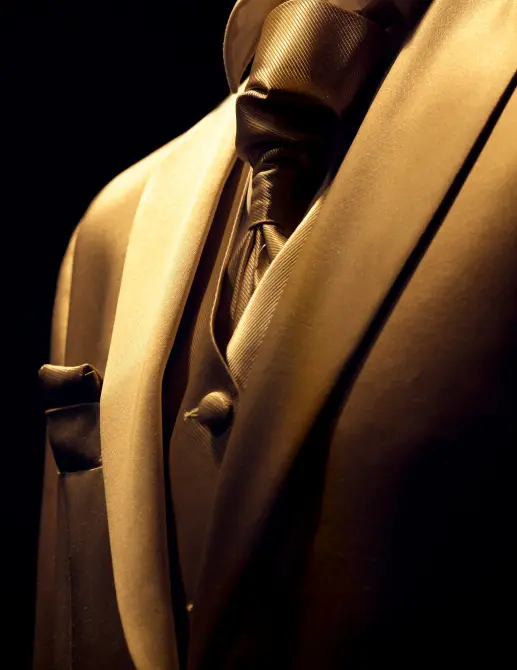
Premium garments are more than just clothes.
A silk saree worn for a family wedding. A tailored blazer for an important client meeting. A designer gown chosen for a special occasion. These outfits often become part of life's most memorable moments.
After wearing them, many people simply place them back in the wardrobe or wash them with their regular laundry.
Even when clothing looks clean, body oils, perspiration, perfume, makeup, dust, and food particles can remain trapped within the fabric. Over time, these residues may affect the garment's appearance and become more difficult to remove.
Premium clothing is also made differently from everyday wear. A business suit may contain canvas and shoulder padding. A silk saree may include delicate zari work. A designer dress may combine multiple fabrics, linings, lace, embroidery, or sequins.
These materials respond differently to water, detergents, heat, and agitation. Using the wrong cleaning method may affect the fabric, stitching, or overall finish, even when the damage is not immediately visible.
This is why many premium garments come with a “Dry Clean Only” care label. It is not simply a recommendation. It indicates that the garment requires a cleaning process suitable for its fabric, dyes, construction, or decorative elements.
Professional garment care follows a fabric-first approach. Before cleaning begins, specialists inspect the garment, identify stains, review the care label, and choose a suitable cleaning method. The goal is not only to remove dirt but also to help preserve the garment's colour, texture, shape, and finish.
Whether you own business suits, silk sarees, designer dresses, wedding outfits, or luxury ethnic wear, understanding how professional premium dry cleaning services work can help you make better decisions for your wardrobe.
In this guide, you'll learn why some garments require specialised cleaning, the common mistakes that can shorten their lifespan, and how to choose a trusted dry cleaning service in Bangalore.

Why Do Some Garments Need Professional Dry Cleaning?
Not every outfit requires professional dry cleaning. Many everyday clothes can be safely washed at home by following the care instructions. However, garments made from delicate fabrics or complex construction often require a different cleaning approach. Water, detergent, excessive spinning, or high drying temperatures can affect these garments in ways that are not always visible immediately.
Different Fabrics React Differently
Cotton, silk, wool, velvet, linen, suede, and leather all respond differently to cleaning. For example, silk can lose its natural sheen if cleaned incorrectly. Wool fibres may shrink after excessive heat and agitation, while velvet can lose its soft texture when pressure is applied during washing or drying. Understanding how a fabric behaves is the first step in selecting the right cleaning method.
Construction Matters Too
Many premium garments include features that cannot be seen from the outside. A tailored blazer may contain canvas, interlining, and structured shoulder padding. A wedding lehenga may have multiple fabric layers, intricate embroidery, sequins, or zari work. Using the wrong cleaning process can affect these components even when the outer fabric appears unchanged.
Some Stains Become Harder to Remove Over Time
Not every stain appears immediately. Body oils, perspiration, perfume residue, beverages, and food particles can remain on the fabric without leaving visible marks. If these garments are stored without cleaning, the stains may settle deeper into the fibres and become more difficult to remove later. For quick-action first-aid on common stains, see our stain removal cheat sheet. This is one reason why wedding wear, formal suits, and occasion wear are often cleaned before storage.
Care Labels Help Protect Your Clothing
Many premium garments include instructions such as “Dry Clean Only.” These labels are based on the fabric, garment construction, dyes, and decorative elements used during manufacturing. Following the recommended care instructions helps reduce the risk of shrinkage, colour transfer, texture changes, and damage to delicate embellishments.
Professional Care Supports Long-Term Garment Quality
Premium clothing is often purchased for important occasions or regular professional use. Choosing the right cleaning method helps maintain the garment's appearance while reducing unnecessary wear caused by incorrect washing techniques. With proper care, premium garments can remain in excellent condition for years.
What Happens During Professional Garment Care?
Every garment has different cleaning requirements. A silk saree, business suit, leather jacket, or designer dress cannot be cleaned using the same process. The fabric, construction, and stain type determine the safest cleaning method.
Professional garment care begins long before the cleaning process starts. It starts with understanding the garment.

Every Garment Is Inspected Before Cleaning
The first step is a detailed inspection. Specialists examine the fabric, care label, visible stains, embroidery, embellishments, buttons, zippers, and the overall condition of the clothing. This inspection helps identify the safest cleaning approach before any treatment begins.
Stains Are Evaluated Before Treatment
Not every stain behaves the same way. A coffee stain on cotton requires a different treatment than the same stain on silk or velvet. Oil, ink, makeup, food, and beverage stains also react differently depending on the fabric. Our specialist stain removal service identifies both the stain and the fabric to determine the most suitable treatment.
The Cleaning Method Is Selected According to the Fabric
Once the inspection is complete, the cleaning method is chosen based on the garment's material and construction. This is especially important for clothing with delicate embroidery, zari work, lace, sequins, beads, or multiple fabric layers. Choosing the appropriate process helps maintain the garment's original appearance while reducing unnecessary stress on the fabric.
Professional Finishing Completes the Process
Cleaning is only one part of garment care. After cleaning, every garment is professionally steam finished and carefully pressed to restore its shape and remove wrinkles. This finishing process helps garments look fresh, neat, and ready to wear.
A Final Quality Check Before Delivery
Every garment is inspected once again before packaging. The team reviews stain removal, fabric condition, pressing quality, accessories, and overall presentation. Only after this final inspection is the garment prepared for delivery.
Why Home Washing Is Not Always the Right Choice
Home washing works well for many everyday clothes. Premium garments, however, often require a different cleaning approach because of their fabric, construction, or delicate detailing. Using the wrong washing method may not cause immediate damage. Over time, repeated washing can gradually affect the garment's texture, colour, shape, and finish.
Water Is Not Suitable for Every Fabric
Some fabrics react differently when exposed to water. Silk may develop water marks. Wool can shrink after excessive heat and agitation. Velvet may lose its soft texture, while leather can become stiff if cleaned incorrectly. This is why many premium garments come with specific care instructions.
Machine Washing Can Affect Garment Structure
Many premium garments contain internal components that help maintain their shape. Blazers often include canvas and shoulder padding. Designer garments may have structured linings, delicate stitching, or multiple fabric layers. Aggressive wash cycles and high-speed spinning can affect these elements even if the outer fabric appears unchanged.
Hidden Residues Can Remain After Every Wear
A garment may look perfectly clean after one use. However, body oils, perspiration, perfume, dust, and food particles often remain within the fabric, even when there are no visible stains. Professional cleaning helps remove these residues before they become more difficult to treat.
Storage Without Cleaning Can Affect the Fabric
Wedding outfits, festive wear, and winter clothing are often stored for several months. If they are stored without cleaning, invisible stains and body oils may gradually affect the fabric during storage. Cleaning garments before storing them helps preserve their condition for future use.
Frequent Home Washing Can Reduce Garment Life
Every wash places some stress on fabric fibres. Repeated exposure to detergents, heat, and mechanical agitation may gradually affect delicate materials and structured garments. Using the right cleaning method at the right time helps reduce unnecessary wear while maintaining the garment's original quality.
Signs Your Garments May Need Professional Cleaning
Some signs are easy to notice. Others develop gradually over time and are often overlooked. Knowing when to choose professional garment care can help prevent avoidable damage.
The Care Label Recommends Dry Cleaning
The simplest indicator is the care label. If a garment is marked “Dry Clean Only,” following the manufacturer's instructions helps protect the fabric, construction, and decorative elements.
The Garment Is Worn Only on Special Occasions
Wedding outfits, designer dresses and haute couture, luxury ethnic wear, and formal suits are not worn every day. Cleaning them before long-term storage helps remove invisible residues that may affect the fabric over time.
The Fabric Contains Delicate Embellishments
Garments with embroidery, lace, beads, sequins, zari work, or hand-finished details often require additional care during cleaning. A fabric-specific approach helps reduce the risk of damaging these decorative elements.
The Garment Has Stains You Cannot Remove at Home
Some stains respond well to home treatment. Others become more difficult to remove if the wrong cleaning products or techniques are used. Seeking professional care early often improves the chances of successful stain removal. For a detailed by-stain guide, see our ink stain removal guide and 25-stain cheat sheet.
Home Washing vs Professional Garment Care
Home washing is suitable for many everyday clothes. However, premium garments often require specialised care because of their fabric, construction, and finishing. Choosing the right cleaning method depends on the garment, not just the stain. Every garment has different care requirements. Understanding these differences helps protect clothing that is designed to last for years. For a full comparison see our Pristino vs regular dry cleaners guide.
| Home Washing | Professional Garment Care |
|---|---|
| Suitable for everyday clothing | Suitable for premium and delicate garments |
| Uses water and household detergents | Uses fabric-specific cleaning methods |
| Basic stain treatment | Stains are treated according to the fabric and stain type |
| May affect garment structure over time | Helps maintain the garment's original shape and finish |
| Home ironing | Professional steam finishing and pressing |
| Best for daily wear | Recommended for luxury, formal, and occasion wear |
Common Mistakes That Can Damage Premium Garments
Many premium garments are damaged because of everyday cleaning habits rather than frequent use. Understanding these mistakes can help protect your clothing and reduce unnecessary wear.
Ignoring the Care Label
Every care label is created according to the garment's fabric, construction, and finishing. Ignoring instructions such as “Dry Clean Only” may increase the risk of shrinkage, colour transfer, or damage to delicate details. Taking a few seconds to read the label can prevent costly mistakes.
Treating Every Stain the Same Way
Different stains require different treatment methods. Oil, ink, coffee, makeup, food, and beverage stains all react differently depending on the fabric. Using strong stain removers without understanding the material may make the stain more difficult to remove.
Using Excessive Heat
High temperatures are not suitable for every fabric. Silk, wool, velvet, and certain synthetic blends may react differently to excessive heat during washing, drying, or ironing. Following the recommended care instructions helps reduce unnecessary stress on the fabric.
Waiting Too Long Before Cleaning
Some stains continue changing after the garment has been worn. Body oils, perspiration, and food residue can settle deeper into the fibres when clothing remains uncleaned for several days or weeks. Early treatment generally produces better cleaning results.
Storing Clothes Without Cleaning Them
Many people store wedding outfits, formal suits, and festive clothing immediately after use. Although these garments may look clean, invisible residues often remain trapped within the fabric. Cleaning garments before storage helps preserve their appearance and freshness.
How to Choose the Best Premium Dry Cleaner in Bangalore
Choosing the right dry cleaner is just as important as choosing the right garment. A reliable service should understand fabrics, inspect garments carefully, and follow cleaning methods that suit each item.
Look for Experience With Premium Fabrics
Premium fabrics require specialised care. Choose a service that regularly handles silk sarees, designer dresses, business suits, wedding outfits, leather jackets, wool coats, and other delicate garments. Experience often makes a noticeable difference in garment handling.
Understand Their Inspection Process
Professional garment care starts before cleaning begins. The garment should be inspected for fabric type, stains, care instructions, embroidery, embellishments, and existing damage. This helps determine the safest cleaning method.
Ask About Their Finishing Process
Cleaning alone does not complete garment care. Professional steam finishing and pressing help restore the garment's appearance while preparing it for immediate use or storage. Attention to finishing often reflects the overall quality of the service.
Check Pickup and Delivery Availability
Convenience has become an important part of garment care. Doorstep pickup and delivery save time, especially for working professionals and families with busy schedules. Many premium dry cleaners in Bangalore now offer scheduled collection and delivery services — ours is free doorstep pickup & delivery, seven days a week.
Read Recent Customer Reviews
Customer reviews provide useful information about garment handling, service quality, delivery experience, and overall customer satisfaction. Reading recent feedback helps you make a more informed decision before choosing a service.
Compare More Than Just Price
The lowest price does not always provide the best value. Fabric expertise, careful inspection, professional finishing, quality checks, and reliable customer support all contribute to a better garment care experience. Choosing a trusted service helps protect clothing that may have significant financial or emotional value.
Why Choose Pristino for Premium Dry Cleaning in Bangalore?
Premium garments often carry both financial and emotional value. A wedding lehenga, a silk saree passed down through generations, or a tailored business suit deserves the right care. Choosing a premium dry cleaner is about more than removing stains. It is about protecting garments that matter.
At Pristino, every garment is treated according to its fabric, construction, and care requirements before the cleaning process begins.

Fabric-First Care for Every Garment
Every garment is different. A silk saree, designer gown, business blazer, or wedding outfit requires a cleaning process suited to its fabric and construction. Instead of following one standard process, each item is evaluated individually before cleaning begins.
Care for Luxury and Delicate Clothing
Premium clothing often includes delicate embroidery, zari work, sequins, lace, beads, or structured stitching. These details require careful handling throughout the cleaning and finishing process. Each garment receives the attention needed to help preserve both the fabric and its craftsmanship.
Professional Finishing Before Delivery
Cleaning is only one step in garment care. Every item is professionally steam finished, carefully pressed, and inspected before packaging. This helps ensure clothing is returned fresh, neatly presented, and ready to wear.
Convenient Pickup and Delivery Across Bangalore
Finding time to visit a dry cleaner is not always easy. Pristino offers doorstep pickup and delivery across Bangalore — including Whitefield, Marathahalli, HSR Layout, and surrounding neighbourhoods — making premium garment care convenient for busy professionals, families, and businesses. Customers can schedule pickups according to their convenience without disrupting their daily routine.
Quality Checked Before Every Delivery
Every garment goes through a final inspection before it is packed. The cleaning quality, finishing, accessories, and overall presentation are reviewed to ensure the garment meets quality standards before delivery. Attention to detail helps deliver a consistent garment care experience.
Final Thoughts
Premium garments are often associated with important occasions, professional commitments, and lasting memories. Looking after them requires more than routine washing.
Understanding how different fabrics, garment construction, and stains respond to cleaning helps you make better decisions about their care. Choosing the right cleaning method can help preserve the appearance, comfort, and longevity of your favourite clothing.
If you're looking for premium dry cleaners in Bangalore, choose a service that understands fabrics before cleaning them. Because the way a garment is cared for today often determines how well it looks tomorrow. Reach out to Pristino to discuss any specific garment or occasion — the team is happy to advise before you commit.